In today’s fast-paced world, convenience often drives our food choices. With busy schedules and limited time, processed foods seem like the easiest solution — quick, affordable, and tasty. From instant noodles and packaged snacks to frozen dinners and sugary drinks, they’re everywhere. But behind the convenience lies a hidden cost to your health. Knowing what processed foods are, how they affect you, and how to avoid them can improve your energy, mood, and health.
What Are Processed Foods, Really?
Processed foods are any foods that have been altered from their natural state, typically for preservation, convenience, or flavor enhancement. Not all processing is bad — washing, freezing, or cooking vegetables are forms of mild processing that make foods safe and easier to eat. However, problems arise when foods are heavily processed — packed with artificial ingredients, preservatives, added sugars, unhealthy fats, and high levels of sodium.
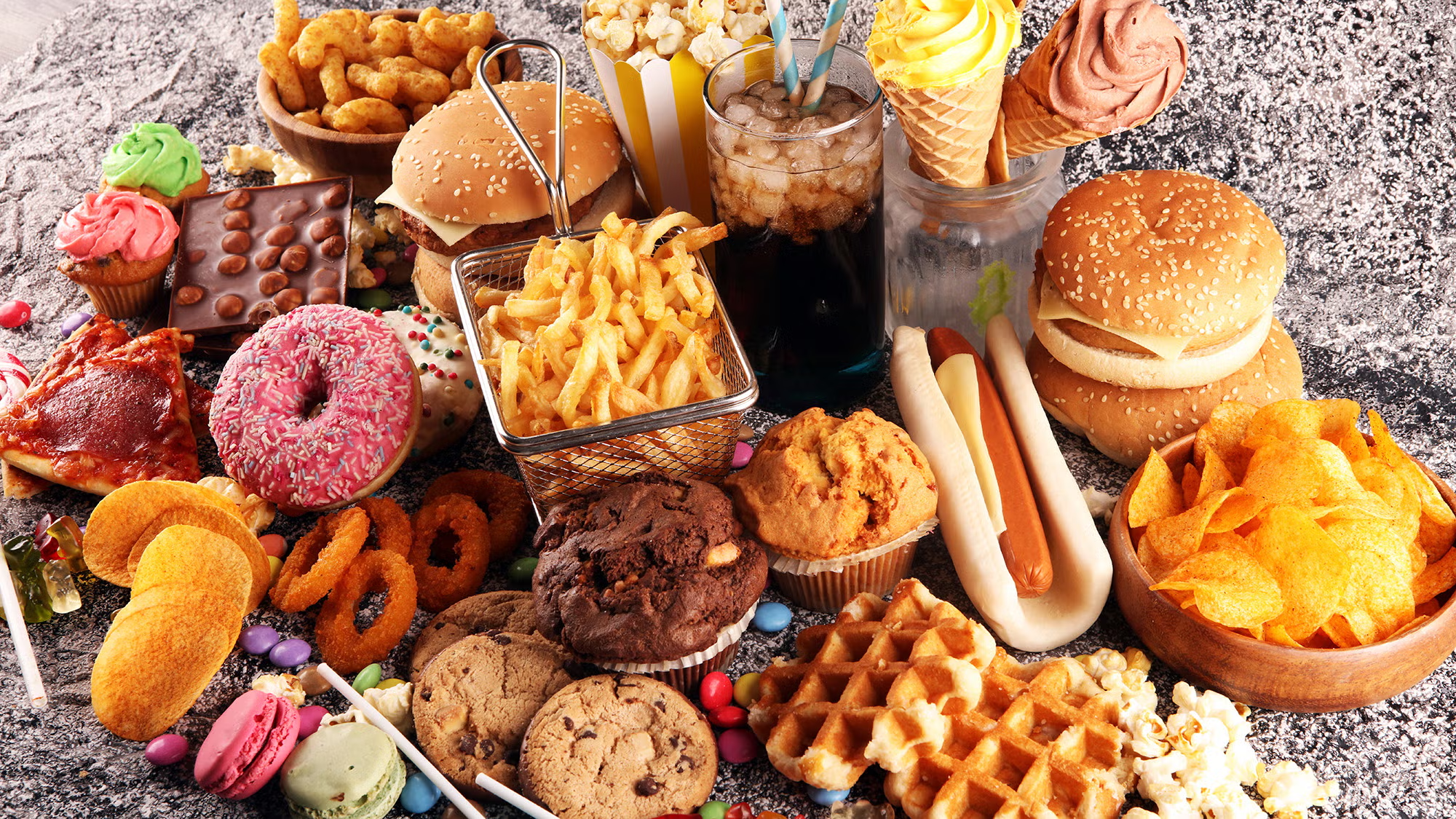
Examples include chips, fast food, sugary cereals, processed meats, soft drinks, and ready-to-eat meals. These products are often engineered to be hyper-palatable, meaning they’re designed to trigger cravings and overconsumption, leading to poor nutrition and health issues over time.
How Processed Foods Affect Your Health
The human body is designed to thrive on whole, natural foods. When you fill your diet with ultra-processed products, your system struggles to get the essential nutrients it needs. Here’s how processed foods impact your health:
- Blood Sugar Spikes and Crashes:
Refined sugars and carbohydrates cause rapid increases in blood sugar, followed by sudden drops that make you feel tired, irritable, and hungry again. - Weight Gain and Poor Metabolism:
Highly processed foods are often calorie-dense but nutritionally poor, leading to overeating and slow metabolism. They also disrupt hunger hormones, making it harder to control cravings. - Heart and Digestive Problems:
Excess sodium and trans fats found in packaged foods can raise blood pressure, increase cholesterol levels, and contribute to inflammation. This puts you at higher risk of heart disease and digestive discomfort. - Mood and Energy Decline:
Your brain needs consistent, nutrient-rich fuel to function well. Diets high in processed foods are linked to fatigue, brain fog, and even mood swings or depression.
Over time, relying heavily on processed foods can lead to chronic conditions such as obesity, diabetes, and cardiovascular disease.
The Hidden Ingredients to Watch Out For
Many processed foods look harmless but contain hidden ingredients that can harm your health when consumed regularly. Here are some of the most common culprits:
- High-Fructose Corn Syrup: Found in sodas, sweets, and condiments, it causes blood sugar spikes and fat buildup in the liver.
- Trans Fats: These artificial fats extend shelf life but are terrible for heart health. They’re often labeled as “partially hydrogenated oils.”
- Excess Sodium: Used for flavor and preservation, too much salt leads to bloating and high blood pressure.
- Artificial Flavors and Colors: While they make foods more appealing, they offer no nutritional value and may cause allergies or behavioral issues in sensitive individuals.
- Preservatives: Compounds like nitrates and sulfites can increase inflammation and affect gut health.
Reading labels carefully is key — if an ingredient sounds unfamiliar or hard to pronounce, it’s likely best avoided.
Simple Ways to Cut Back on Processed Foods
Avoiding processed foods doesn’t mean you need to give up convenience or taste. It’s about making smarter choices and finding easy ways to bring more natural foods into your daily routine.
Cook More at Home: Preparing meals from scratch allows you to control ingredients, portion sizes, and cooking methods. Start small by cooking simple dishes like grilled vegetables, brown rice bowls, or homemade soups.
Choose Whole Foods: Prioritize items that come from the earth — fruits, vegetables, nuts, whole grains, and lean proteins. These provide vitamins, minerals, and fiber that processed foods lack.
Shop the Perimeter of the Grocery Store: Fresh produce, meats, dairy, and whole grains are usually found along the store’s edges, while heavily processed items fill the center aisles.
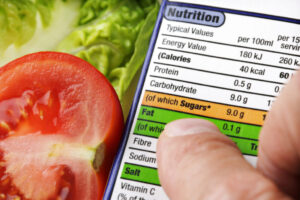
Read Nutrition Labels: Check the ingredient list and avoid products with added sugars, artificial additives, or trans fats. The fewer ingredients, the better.
Plan Ahead: Prepping snacks and meals in advance helps you avoid reaching for processed foods when you’re hungry or in a rush. Keep healthy snacks like fruits, nuts, or yogurt on hand.
Drink Smart: Replace sugary sodas and energy drinks with water, herbal tea, or fruit-infused water. You’ll stay hydrated and avoid hidden calories.
Why Whole Foods Make You Feel Better
Once you start cutting back on processed foods, you’ll notice big changes in how you feel. Whole foods fuel your body with nutrients that support natural energy, strong immunity, and better digestion.
Fresh fruits and vegetables are rich in antioxidants that protect against disease. Whole grains like oats and brown rice provide steady energy. Lean proteins help repair muscles, and healthy fats from avocados or nuts support brain function.
When you eat real food, you’re giving your body what it truly needs — not just empty calories. Over time, your cravings for processed snacks will naturally fade as your body adjusts to healthier nourishment.
Overcoming the Cravings
Processed foods are often addictive because of their high sugar, fat, and salt content. Breaking free from them can be tough, especially if you’ve been relying on them for years. The key is gradual change.
Start by replacing one processed snack a day with a healthier alternative. For example, swap chips for roasted nuts, or a candy bar for a banana with peanut butter. Gradually, your taste buds will adapt, and your cravings will decrease.
Drinking more water, getting enough sleep, and managing stress also play a major role in reducing cravings. When your body is balanced, it’s less likely to seek quick comfort foods.
FAQs
1. Are all processed foods unhealthy?
No. Some lightly processed foods like frozen vegetables, canned beans, and whole-grain bread can be part of a healthy diet. The issue lies mainly with ultra-processed foods that contain artificial additives and little nutritional value.
2. How can I identify highly processed foods?
Look for long ingredient lists, especially those with added sugars, trans fats, artificial flavors, or preservatives. If it doesn’t resemble something you’d cook at home, it’s likely ultra-processed.
3. Can I eat processed foods occasionally?
Yes. Moderation is key. Enjoying a treat once in a while won’t harm your health as long as your daily diet is mostly made up of whole, nutrient-rich foods.
4. What’s a quick healthy snack alternative to packaged chips or cookies?
Try air-popped popcorn, homemade trail mix, Greek yogurt with fruit, or sliced veggies with hummus. These are filling, tasty, and much healthier options.
5. Does eating clean mean never eating out?
Not at all. Many restaurants now offer healthier, whole-food-based options. Choose grilled instead of fried items, and opt for salads, steamed vegetables, or whole grains as sides.
Conclusion
Processed foods may be convenient, but they often rob your body of the nutrients it truly needs. By making mindful choices — cooking more at home, choosing whole ingredients, and reading labels carefully — you can take back control of your health.
Eating real, unprocessed foods helps you feel more energized, focused, and balanced. It’s not about perfection but progress — small daily steps toward a cleaner diet can lead to a happier, healthier life. When you nourish your body with what it was designed to eat, you’ll notice the difference in every aspect of your well-being.