In today’s fast-paced world, sitting for hours at a desk, poor posture, and repetitive movements can leave your body stiff, achy, and prone to injury. One of the most effective ways to combat discomfort, improve mobility, and boost overall wellness is through regular stretching exercises. Stretching not only enhances flexibility but also reduces muscle tension, alleviates pain, and promotes better circulation.
If you’re new to stretching or have struggled to make it a habit, this guide will walk you through practical, beginner-friendly exercises you can incorporate into your daily routine. These stretches are designed to target common problem areas such as the back, shoulders, hips, and hamstrings—helping you feel looser, more energized, and less prone to injury.
Why Stretching Is Essential for Flexibility and Pain Relief
Flexibility is the ability of your muscles and joints to move through their full range of motion. When muscles are tight or stiff, movement becomes limited, which can contribute to aches, postural issues, and even injuries. Regular stretching helps:
-
Reduce muscle tension: Relieves tight muscles caused by prolonged sitting or repetitive movements.
-
Improve range of motion: Enhances joint mobility and makes everyday activities easier.
-
Decrease risk of injury: Flexible muscles are less likely to strain or tear during sudden movements.
-
Alleviate pain: Gentle stretching can reduce back pain, neck stiffness, and tension headaches.
-
Boost circulation and posture: Proper stretching improves blood flow, delivering oxygen and nutrients to muscles.
Consistency is key. Stretching for 10–20 minutes daily can produce noticeable improvements in flexibility and comfort within a few weeks.
Best Stretching Exercises to Improve Flexibility
Here are some of the most effective stretches that target major muscle groups and can be performed at home with no equipment.
1. Neck and Shoulder Stretch
Tension often accumulates in the neck and shoulders, especially if you spend hours at a desk.
How to do it:
Sit or stand tall. Gently tilt your head toward your right shoulder, feeling a stretch along the left side of your neck. Hold for 20–30 seconds, then switch sides. For shoulder relief, bring one arm across your chest and gently press it toward your body with the opposite hand.
Benefits:
Relieves stiffness, reduces tension headaches, and improves posture.
2. Chest Opener Stretch
Poor posture, particularly rounded shoulders, can cause chest tightness.
How to do it:
Stand tall and clasp your hands behind your back. Lift your arms slightly while opening your chest forward. Hold for 20–30 seconds and repeat 2–3 times.
Benefits:
Improves shoulder flexibility, reduces upper back tension, and enhances breathing.
3. Cat-Cow Stretch for Spine Flexibility
This dynamic stretch targets the back and improves spinal mobility.
How to do it:
Start on all fours. Inhale as you arch your back (cow pose), lifting your head and tailbone. Exhale as you round your spine (cat pose), tucking your chin and tailbone. Repeat for 8–10 cycles.
Benefits:
Relieves stiffness, strengthens the spine, and improves flexibility.
4. Seated Hamstring Stretch
Tight hamstrings can contribute to lower back pain and limited mobility.
How to do it:
Sit on the floor with one leg extended and the other bent inward. Lean forward toward the extended leg while keeping your back straight. Hold for 20–30 seconds and switch legs.
Benefits:
Reduces lower back strain, increases leg flexibility, and improves posture.
5. Hip Flexor Stretch
Sitting for long periods tightens the hip flexors, causing discomfort and affecting mobility.
How to do it:
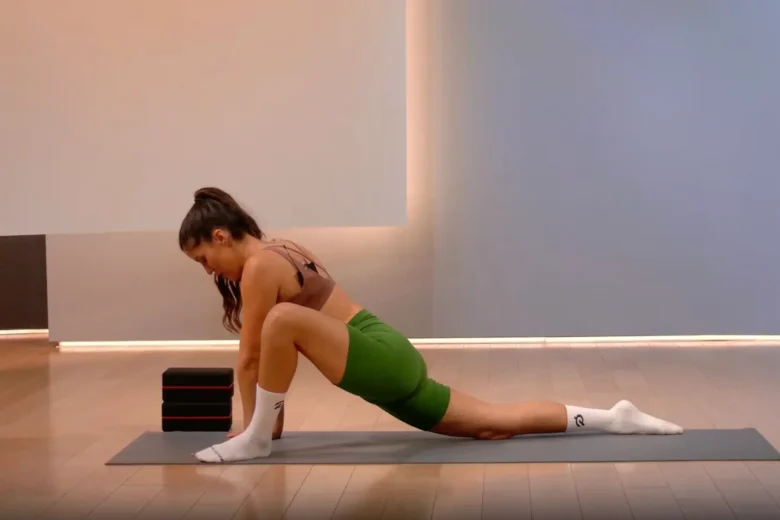
Step your right foot forward into a lunge position, keeping your left knee on the floor. Press your hips forward gently and hold for 20–30 seconds. Switch sides.
Benefits:
Relieves lower back and hip pain, improves walking and running form, and enhances flexibility.
6. Side Body Stretch
This stretch elongates the torso and relieves tension along the sides of the body.
How to do it:
Stand with feet shoulder-width apart. Raise your right arm overhead and lean slightly to the left, keeping your core engaged. Hold for 20–30 seconds, then switch sides.
Benefits:
Opens up the sides of the body, improves spinal mobility, and reduces stiffness in the ribs and lower back.
7. Child’s Pose
A gentle, restorative stretch for the back and hips.
How to do it:
Kneel on the floor, sit back on your heels, and stretch your arms forward on the floor. Rest your forehead down and breathe deeply. Hold for 30–60 seconds.
Benefits:
Stretches the spine, shoulders, and hips while promoting relaxation.
8. Calf Stretch
Tight calves can affect walking, balance, and overall leg comfort.
How to do it:
Stand facing a wall with hands on the wall. Step one foot back, keeping the heel flat and leg straight. Lean forward slightly until you feel a stretch. Hold 20–30 seconds, then switch sides.
Benefits:
Improves ankle mobility, reduces leg cramps, and enhances overall flexibility.
Tips for Safe and Effective Stretching
-
Breathe deeply: Avoid holding your breath; inhale and exhale slowly during stretches.
-
Stretch gently: Never force a stretch to the point of pain. Mild discomfort is okay, but sharp pain is not.
-
Warm up first: Do light activity like walking or marching in place before stretching cold muscles.
-
Be consistent: Aim for 5–7 days per week for noticeable flexibility improvements.
-
Hold stretches long enough: Each stretch should last at least 20–30 seconds for effectiveness.
Consistency and proper form are far more important than the number of stretches performed.
FAQs
1. How long should I stretch each day?
A daily routine of 10–20 minutes is sufficient for most people to improve flexibility and reduce pain.
2. Can stretching prevent injuries?
Yes. Stretching helps muscles stay flexible and reduces the risk of strains, pulls, and joint injuries.
3. When is the best time to stretch?
Stretching can be effective any time, but it’s best after light activity or exercise when muscles are warm.
4. Is stretching enough for overall fitness?
Stretching improves flexibility and reduces pain, but combining it with strength and cardio exercises ensures a balanced fitness routine.
5. Can stretching reduce back pain?
Yes. Targeted stretches for the back, hips, and hamstrings can alleviate lower back tension and improve mobility.
Conclusion
Stretching is a simple yet powerful way to improve flexibility, reduce pain, and enhance overall well-being. By incorporating these exercises into your daily routine, you can release muscle tension, improve posture, and prevent discomfort from everyday activities. Remember, consistency, gentle movement, and mindful breathing are key. Start small, stay committed, and over time you’ll notice a stronger, more flexible, and pain-free body ready to take on daily life with ease.