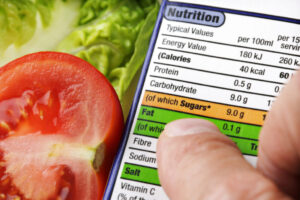
Have you ever wondered why you sometimes go through life with enthusiasm, but other times can’t sleep? What you eat is often the key. Food isn’t just a source of energy for your body; it also gives it knowledge. Every bite you take can change your mood, energy, and ability to get things done. Learning how to eat for sustained energy can completely transform how you feel throughout the day. Don’t rely on sugar or coffee to keep you awake and engaged from morning to night. Instead, eat healthy and stay healthy.
Understand how food and energy are connected.
Metabolism is the process by which your body converts food into energy. When you consume the right combination of foods, your body produces glucose more efficiently, which fuels your cells. However, consuming large amounts of refined sugar, processed snacks, or fatty foods can lead to fluctuations in your blood sugar levels, making you tired and irritable.
You don’t have to eat less; you have to eat healthier. Eating foods that release energy slowly helps keep your blood sugar levels stable and ensures your muscles and brain are always energized.
Start your day right with a healthy breakfast.
Skipping breakfast or snacking right after waking up can cause your energy levels to drop. Complex carbohydrates, proteins, and healthy fats are all part of a healthy breakfast.
Good options include oatmeal with nuts and vegetables, or whole-wheat toast with eggs and avocado. These foods are rich in slow-digesting carbohydrates, muscle-repairing proteins, and satiating fats, giving you long-lasting energy.
Avoid sweets or desserts high in sugar. They might give you a quick energy boost, but the subsequent crash can leave you feeling tired before lunch.
Choose complex carbohydrates over simple sugars.
There are many different types of carbohydrates. Eating simple sugars, such as white bread, candy, or soda, can quickly raise your blood sugar. Complex carbohydrates, such as brown rice, quinoa, and sweet potatoes, on the other hand, release energy slowly, making your energy last longer.
Dietary fiber is found in whole grains, fruits, and vegetables. It slows digestion and keeps you feeling full longer. Eating whole foods instead of refined carbohydrates is one of the easiest and most effective ways to maintain stable energy levels.
Eat enough protein to stay alert and strong.
Protein isn’t just for athletes. Protein is essential for maintaining healthy muscles and organs and for proper brain function. Adequate protein keeps you energized all day and prevents fatigue.
Chicken, fish, eggs, beans, tofu, lentils, and other lean protein sources should be part of your diet. You don’t need much to feel more energized. A handful of nuts or Greek yogurt can be enough.
Protein should be present at every meal, as it keeps you feeling full and prevents energy dips between meals.
Don’t skip good fats.
Fats used to be considered bad for the body, but we now know that good fats are important for both the brain and energy. Good fats help the body absorb vitamins, maintain hormone levels, and keep you energized.
Eat more foods rich in good fats, such as nuts, seeds, bananas, olive oil, and oily fish like mackerel and salmon. These fats are good for the brain and heart. But be mindful of how much you eat, as fat is high in calories, so small amounts are good.
Make sure you drink plenty of fluids to prevent fatigue.
Even mild dehydration can cause fatigue, headaches, and difficulty concentrating. Many people snack when they’re not hungry, thinking they’re thirsty. To stay energized, drink plenty of water throughout the day.
Drink a glass of water first thing in the morning and always carry a water bottle with you so you remember to take sips regularly. If you’re tired of plain water, add lemon, cucumber, or mint to your water for a different flavor.
Reducing your intake of sugary drinks and excessive coffee can also help maintain your energy levels. Drinking too much coffee can make you feel energized for a while, but your energy levels will drop later in the day.
Eat healthy snacks between meals
Eating healthy snacks between meals can help maintain your energy levels. Choose snacks rich in complex carbohydrates, protein, and healthy fats instead of candy bars or chips.
Apple slices with peanut butter, a banana with a handful of nuts, or yogurt with berries are all good side dishes.
This approach will keep your body energized and full of energy all day long.
Reduce your intake of sugar and processed foods.
It can be tempting to reach for processed foods and sugary drinks, but they can leave you feeling tired. Often, these foods are loaded with added chemicals, trans fats, and refined sugars, which can leave you feeling sluggish and irritable.
Reducing artificial snacks and consuming more natural, unprocessed foods can make a huge difference in how you feel. Avoid soda or energy drinks. Instead, try green tea or a smoothie with fruit and fresh vegetables. Over time, your energy levels will become more stable and regular.
Pay attention to your body’s hunger cues
Paying attention to your body is one of the most important parts of an energy-boosting diet. Eating out of habit, boredom, or anxiety can slow down your eating and overload your digestive system.
Paying attention to real hunger cues is crucial. Eat when you’re hungry and stop when you’re full. Eating more slowly helps your body give you more accurate signals of satiety, preventing you from overeating. Learning to eat mindfully helps maintain stable energy levels because your body gets the nutrients it needs when it needs them.
Frequently Asked Questions
1. What can give me an instant energy boost when I’m tired?
Bananas, oatmeal, nuts, and other foods high in natural sugars and complex carbohydrates provide a quick and consistent energy boost. Avoid energy drinks and sweets, which can provide an energy boost but don’t last long.
2. How much water should I drink to feel energized?
For most adults, a daily goal is about 8 cups (2 liters) of water. However, this amount can vary depending on your activity level, the weather, and your individual needs.
3. Does coffee make me tired after a while?
Moderate coffee consumption can make you more alert. However, excessive coffee consumption can make it difficult to fall asleep and lead to a lack of energy. Try to limit your coffee intake to one or two cups per day and avoid drinking it in the late afternoon.
4. If I eat carbohydrates in the evening, will I feel tired the next day?
Yes, eating complex carbohydrates, such as sweet potatoes or brown rice, with dinner can help you sleep better and feel more energetic the next morning.
5. Can vitamins give you more energy? Some supplements, such as magnesium or B vitamins, can help your body use energy more efficiently, but nutrition always comes first. A balanced diet provides your body with all the nutrients it needs to function optimally.
In short
When you eat for energy, you choose healthy foods that will make you feel good all day long. By focusing on whole foods, drinking plenty of water, and avoiding processed snacks, you will feel better both physically and mentally.
Some natural ways to stay energized include eating a balanced diet, drinking plenty of water, and adding more protein and fiber to your diet. Don’t look for quick fixes; instead, make it a daily habit to eat foods that keep you healthy, alert, and active.