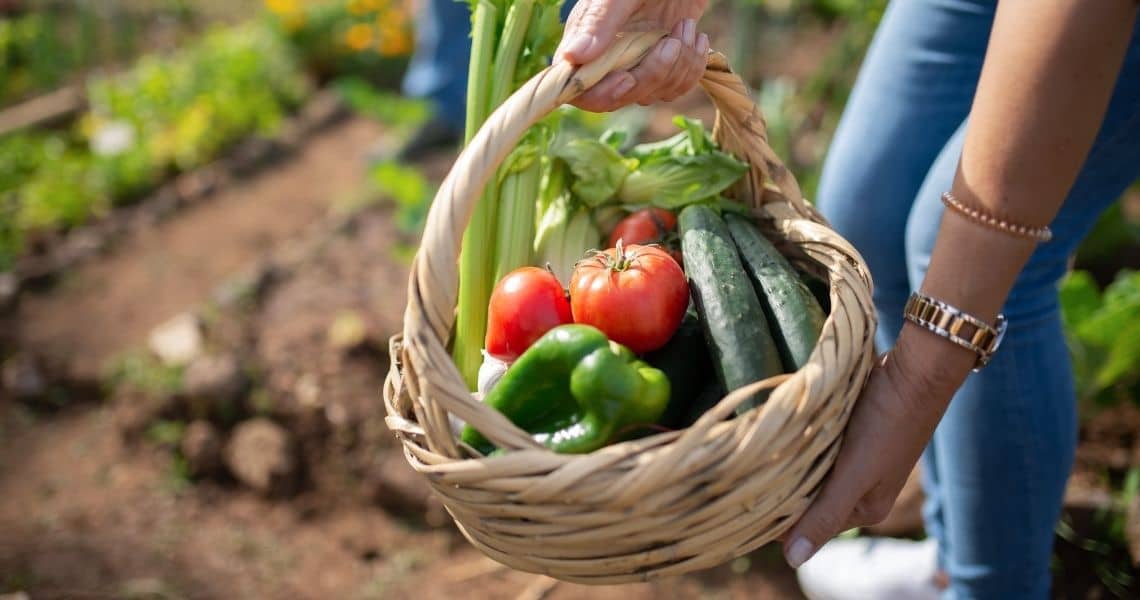
Sometimes nature tells us what to eat and when to eat it. These days, we can buy bananas year-round and even strawberries in the winter. Yet, seasonal eating—eating according to the seasons—is making a comeback, and rightly so. Seasonal eating means eating ingredients that are naturally harvested and locally sourced at the height of the season. It’s a time-honored practice that benefits not only you, the environment, and your budget, but also enhances your overall well-being.
Many of us forget the importance of time when it comes to freshness and nutritional value. Food harvested at the peak of the season tastes better and is richer in vitamins and minerals. This isn’t just sentimental; new research suggests that eating seasonal produce can improve gut health, immunity, and overall well-being. Let’s explore how following nature can change the way you feel and eat.
What does seasonal eating mean?
Seasonal eating involves eating fruits, vegetables, and other foods that grow naturally in your area and are harvested at specific times of the year. For example, strawberries, cucumbers, and spinach are in season in spring and early summer. Pumpkins, apples, and sweet potatoes are also in season in the fall.
Seasonal produce is fresher and more nutritious than produce from abroad. Produce from abroad is often picked early and shipped thousands of miles away. Because of the abundant local supply, seasonal food is often less expensive. Eating seasonal produce isn’t a strict diet; it’s a way to connect with nature’s cycles and provide your body with the nutrients it needs at every stage of the year.
Seasonal produce is both more nutritious and tastier
When you eat seasonal produce, you’re eating fruits and vegetables that are picked at their ripest, meaning they generally contain more nutrients. Fruits and vegetables begin to lose vitamins and antioxidants after harvest. This means that the longer they are shipped, the fewer nutrients they retain. Locally grown, seasonal food arrives faster and fresher, so you can enjoy nature’s best.
Not only does it taste better, it’s also healthier. Think of the difference in flavor, texture, and aroma between a tomato grown in the summer and one grown in the garden in the winter. Seasonal produce has a natural sweetness and depth that foreign produce lacks.
Helping your body meet its needs
One of the most fascinating things about seasonal eating is that it perfectly matches your body’s changing needs throughout the year. In warm weather, your body craves light, watery foods like melons, cucumbers, and leafy greens to keep you cool and full. On the other hand, in winter, you naturally crave nutritious, warming foods like soups, root vegetables, and grains. These foods provide energy and warmth.
This natural balance makes it easier for your body to adapt to the environment and strengthens your immune system. Seasonal produce often contains the nutrients your body needs at any given time. Citrus fruits, rich in vitamin C, are ripe in winter, when colds and flu are most common. It’s as if nature has already figured out how to take care of you.
Better Energy and Digestion
Eating seasonal produce can support your stomach and provide you with more energy because your body digests it more easily. Lighter produce like salads and fruit is easier to digest in warm weather. On the other hand, heavier, fiber-rich vegetables like carrots and potatoes are a good choice when your body needs extra energy and warmth.
This balance between your body’s rhythm and nature’s rhythm can help relieve bloating, fatigue, and stomach aches. When you eat seasonally, your body doesn’t have to work as hard to maintain balance. This makes you feel lighter, more energetic, and more connected to your environment.
Environmental and Economic Benefits
Eating seasonally is not only good for the planet, but also for your own health. Produce that is grown seasonally and locally uses fewer resources, resulting in a smaller carbon footprint. It helps local farmers earn a living, promotes environmentally friendly farming practices, and increases income in your region.
Food that travels long distances requires packaging, storage, and preservatives to stay fresh. By choosing local and seasonal produce, you can reduce waste, pollution, and energy consumption. It’s one of the simplest and most effective ways to reduce waste.
Fresh ingredients are readily available. In spring, asparagus, peas, and strawberries are perfect for salads. In summer, berries, bell peppers, and cucumbers are worth trying. Apples, pumpkin, and squash are wholesome fall foods. In winter, root vegetables and nutritious leafy greens like kale and cabbage are the best choices.
Choosing seasonal ingredients also allows you to enjoy a variety of dishes, allowing you to discover new flavors and nutrients year-round. It also enriches your diet and ensures you get a full range of vitamins and minerals without the need for medication.
Healthy Ways to Boost Your Immune System and Well-Being
Eating less processed, fresher produce improves your immune system. Seasonal fruits and vegetables are rich in vitamins and antioxidants, which help fight inflammation and maintain good health. For example, berries and other summer fruits are rich in antioxidants that combat oxidative stress, while winter vegetables like cabbage and carrots are rich in vitamins A and C, which strengthen the immune system.
Eating seasonally can also improve your mental health and well-being. Fresh, colorful food is good for you, and buying from local farmers can give you a deeper connection to your neighborhood and the world around you. Making conscious and mindful food choices can lead to a greater sense of gratitude and improve your relationship with food.
Frequently Asked Questions
Why is eating seasonal food better than imported food?
Because seasonal produce is harvested at its peak, it’s fresher and more nutritious. Imported food often loses vitamins during transport and is chemically treated to extend its shelf life.
If my favorite food isn’t in season, can I still eat it?
Of course. Eating seasonally is about balance, not about reducing your intake. You can enjoy your favorite foods year-round, but try to choose local, fresh, and seasonal options.
How can I find out what’s in season where I live?
You can consult seasonal calendars online, visit local farmers markets, or simply buy the most common and affordable ingredients at the store. These are often in season.
Can choosing seasonal produce help you manage your weight?
Yes, absolutely. Seasonal produce is often fresher, contains more fiber, and contains less artificial sugars, which naturally makes you feel full and happy and helps you maintain a healthy weight.
Is eating seasonal produce pricier?
In fact, it’s usually cheaper. When there’s a lot of seasonal produce, prices drop. Local, seasonal produce is also cheaper because it doesn’t need to be transported or stored for long periods.
Summary
Eating seasonally is a simple and effective way to connect with nature, protect the planet, and improve your health. By choosing produce that grows naturally in your area year-round, you can give your body the nutrients it needs at the right time. Your immune system will be stronger, your stomach will feel better, and you’ll enjoy eating more.
You don’t have to change all your diets at once. To start, simply eat more seasonal fruits and vegetables. When your eating habits harmonize with nature’s rhythms, you’ll feel more energetic, alert, and focused. Eating seasonally is more than just a trend; it’s always been a good way to care for your body and the environment.