Most of us know we should stretch more. We hear it from trainers at the gym, see it in fitness magazines, and probably even feel it in our own stiff joints after a long day at a desk. But often, stretching gets pushed to the bottom of the priority list, treated as an optional add-on to a “real” workout. What if we reframed how we view flexibility? Instead of seeing it as just a way to cool down, what if we saw it as a foundational pillar of our overall health, just as important as cardio or strength training?
Understanding the true value of flexibility can transform it from a chore into a rewarding practice. Improved flexibility isn’t just about being able to touch your toes; it’s about enhancing your quality of life. It can lead to fewer injuries, reduced pain, better posture, and even a calmer mind. This comprehensive guide will explore the world of stretching, showing you how a consistent flexibility routine can unlock profound benefits for your body and mind. We’ll cover everything from the different types of stretching to beginner-friendly exercises and how to build a routine that sticks.
What Is Flexibility?
At its core, flexibility is the ability of your joints to move through their full, unrestricted range of motion. It’s a key component of physical fitness, influenced by the mobility of your joints and the extensibility of the muscles surrounding them. Think of it as the freedom your body has to move. When you have good flexibility, movements like bending down to tie your shoes, reaching for something on a high shelf, or looking over your shoulder become easier and more comfortable.
Flexibility isn’t a one-size-fits-all concept. There are several different types, each with a specific purpose and method.
Static Stretching
This is the most common type of stretching, the one most people picture when they think of flexibility work. Static stretching involves extending a muscle to a point of mild tension and holding that position for a period, typically 15 to 60 seconds. It’s done without bouncing and is most effective when your muscles are already warm, making it a great way to cool down after a workout.
- Example: A classic hamstring stretch where you sit on the floor, extend one leg, and gently lean forward to feel a stretch in the back of your thigh.
Dynamic Stretching
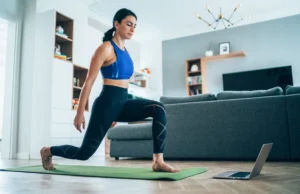
Dynamic stretching involves active movements that take your joints and muscles through their full range of motion. These are controlled, smooth movements that mimic the activity you’re about to perform. Because they increase blood flow and body temperature, dynamic stretches are ideal for a warm-up routine before exercise.
- Example: Walking lunges, arm circles, or leg swings.
Ballistic Stretching
Ballistic stretching uses momentum to force a limb beyond its normal range of motion. This is the “bouncy” type of stretching, like repeatedly bouncing down to touch your toes. While it can be useful for certain highly-trained athletes, it’s generally not recommended for the general public because it can trigger the stretch reflex (a muscle’s natural tendency to tighten when stretched too quickly) and carries a higher risk of injury.
- Example: Repeatedly bobbing or bouncing into a hamstring stretch.
Proprioceptive Neuromuscular Facilitation (PNF)
PNF is a more advanced form of flexibility training that involves both stretching and contracting the target muscle group. It’s often performed with a partner or a prop like a strap. A common PNF technique is the “contract-relax” method, where a muscle is passively stretched, then contracted isometrically against resistance, and finally relaxed and stretched again, pushing a little further. PNF can produce significant gains in flexibility but requires more knowledge to perform safely.
- Example: Lying on your back while a partner raises your leg to stretch the hamstring. You then push against your partner’s hand for a few seconds before relaxing and allowing them to stretch the leg further.
The Transformative Benefits of Flexibility
Integrating stretching into your routine offers a wealth of benefits that extend far beyond the gym. It’s a holistic practice that improves your physical performance, mental well-being, and overall daily function.
Physical Benefits
- Increased Range of Motion: The most direct benefit. Greater flexibility allows your joints to move more freely, making everyday activities and athletic movements more efficient and less taxing.
- Reduced Risk of Injury: Flexible muscles are more adaptable. When a muscle can lengthen properly, it is less likely to become overstressed, torn, or damaged during physical activity.
- Alleviated Aches and Pains: Tight muscles, particularly in the back, neck, and hips, are a common source of chronic pain. Regular stretching can help release this tension, providing significant relief from discomfort caused by poor posture or muscle imbalances.
- Improved Posture: Stretching helps correct muscle imbalances. For instance, stretching tight chest muscles and strengthening weak back muscles can help you stand taller and reduce slouching, which in turn reduces strain on your spine.
- Enhanced Athletic Performance: A greater range of motion allows you to perform movements with more power and efficiency. Whether you’re a runner needing a longer stride or a golfer needing a fuller swing, flexibility is key.
Mental and Emotional Benefits
- Stress Relief: The act of stretching involves focusing on your breath and your body, which can have a meditative effect. This mindfulness helps calm the nervous system, lower stress levels, and reduce anxiety.
- Improved Energy Levels: Muscle tension can lead to fatigue. By releasing this tension, stretching can help you feel more energized and less sluggish throughout the day.
- Better Mind-Body Connection: Stretching requires you to pay close attention to what your body is feeling. This practice fosters a stronger connection between your mind and your muscles, increasing your body awareness.
Simple Stretches to Start With
You don’t need to be a yoga master to start improving your flexibility. These simple stretches are perfect for beginners and can be done almost anywhere. Remember to breathe deeply and never push into pain.
Neck Stretch:
- Sit or stand tall. Gently tilt your right ear toward your right shoulder until you feel a stretch on the left side of your neck.
- Hold for 20-30 seconds.
- Slowly return to the center and repeat on the other side.
Chest Stretch (Doorway Stretch):
- Stand in a doorway and place your forearms on the frame, with your elbows just below shoulder height.
- Step forward with one foot until you feel a gentle stretch across your chest.
- Hold for 20-30 seconds.
Cat-Cow Stretch:
- Start on your hands and knees, with your wrists under your shoulders and knees under your hips.
- Inhale as you drop your belly toward the floor and look up (Cow Pose).
- Exhale as you round your spine toward the ceiling, tucking your chin to your chest (Cat Pose).
- Repeat for 8-10 breaths.
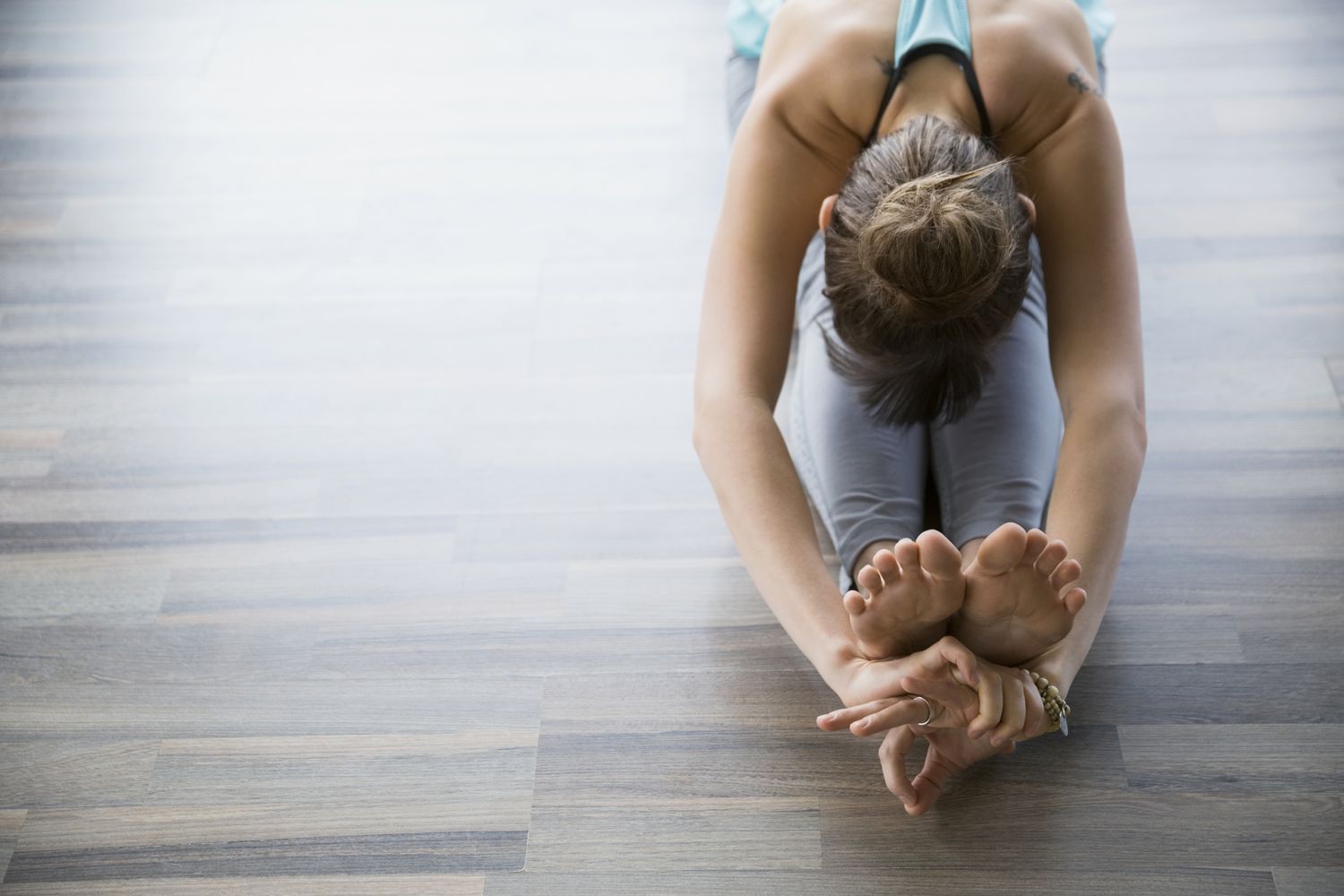
Seated Hamstring Stretch:
- Sit on the floor with your right leg extended straight in front of you. Bend your left knee and place the sole of your left foot against your right inner thigh.
- Sit tall and gently hinge forward from your hips, reaching toward your right foot.
- Hold for 30 seconds and switch sides.
Quad Stretch:
- Stand, holding onto a wall or chair for balance.
- Grab your right foot and gently pull your heel toward your glute, feeling a stretch in the front of your thigh. Keep your knees close together.
- Hold for 20-30 seconds and switch sides.
Creating a Stretching Routine That Lasts
The key to long-term flexibility is consistency. Aim to stretch for at least 5-10 minutes a day. Here’s how to make it a habit:
- Find the Right Time: You can stretch in the morning to wake up your body, during the workday to break up long periods of sitting, or in the evening to wind down. Experiment to find what feels best for you.
- Warm-Up First: Never stretch cold muscles. Do a few minutes of light cardio (like marching in place or gentle jumping jacks) or save your deep static stretches for after a workout when your muscles are warm.
- Listen to Your Body: Stretching should create a feeling of mild tension, not sharp pain. If it hurts, you’ve gone too far. Ease back to a comfortable position.
- Breathe: Don’t hold your breath. Deep, steady breathing helps relax your muscles and allows you to sink deeper into the stretch.
Common Mistakes to Avoid
To get the most out of your routine and stay safe, steer clear of these common errors:
- Stretching Cold Muscles: This is a major cause of injury. Always warm up first.
- Bouncing: Ballistic stretching is for elite athletes, not for your daily cool-down. Bouncing can cause micro-tears in the muscle.
- Pushing Through Pain: Pain is your body’s signal to stop. Ignoring it can lead to strains or tears.
- Forgetting to Breathe: Holding your breath tenses your muscles, which is the opposite of what you want to achieve.
Frequently Asked Questions
Q: How long should I hold a stretch?
A: For static stretches, the general recommendation is to hold each stretch for 15-30 seconds. For older adults or for particularly tight muscles, holding for up to 60 seconds may be more beneficial.
Q: How often should I stretch?
A: For best results, aim for daily stretching. Even a short 5-10 minute session every day is more effective than one long session per week. Consistency is more important than duration.
Q: Can stretching help with back pain?
A: Yes, absolutely. Tight hamstrings, hip flexors, and glutes are common contributors to lower back pain. A regular stretching routine that targets these areas can provide significant relief by reducing tension and improving pelvic alignment.
Q: Should I stretch before or after my workout?
A: Both! Use dynamic stretches (like leg swings and arm circles) before your workout to warm up and prepare your body for movement. Use static stretches (like a hamstring or quad stretch) after your workout to improve flexibility and aid recovery.
Embrace Your Body’s Potential
Flexibility is a journey, not a destination. It’s an act of self-care that pays dividends in every area of your life. By dedicating just a few minutes each day to stretching, you can relieve pain, prevent injuries, and move through life with greater ease and comfort. Start today, listen to your body, and enjoy the process of becoming more flexible, one gentle stretch at a time.