Finding the motivation to start a workout routine can feel overwhelming—especially if you’re new to fitness or don’t have access to a gym. The good news? You don’t need fancy machines, a large space, or expensive trainers to build strength and get healthier. A well-designed, beginner-friendly full-body workout can be done right in your living room, bedroom, or even a small outdoor area. All you need is consistency, proper form, and the willingness to take the first step.
This guide breaks everything down in a clear, practical way to help you improve your strength, boost your energy levels, and start leading an active lifestyle—without any complicated equipment. Whether your goal is weight loss, toning, or simply getting fitter overall, this home workout plan is built to grow with you.
Why Full-Body Workouts Are Perfect for Beginners
Full-body workouts are one of the best ways to start your fitness journey because they target all major muscle groups in the same session. Instead of isolating muscles, you’re working your body as a whole, helping you build balanced strength and avoid injuries.
Another advantage? You burn more calories in less time. When multiple muscles work together, your heart rate stays elevated, which improves endurance and supports healthy weight management. For beginners, this kind of efficient training is ideal because you don’t need long sessions to see progress. Even 20–30 minutes a day is enough to make a noticeable difference.
Full-body routines also create a strong foundation. Before lifting heavy weights or attempting advanced workouts, your body needs stability, mobility, and proper movement patterns. This simple home routine helps you develop those essential basics so you can progress safely.
How to Warm Up Properly Before Exercising
A warm-up may not seem exciting, but skipping it increases your risk of injury and reduces your performance. The goal is to gradually raise your heart rate and loosen your joints so your body is ready for movement.
A quick 5–7 minute warm-up can include:
-
Arm circles to activate your shoulders
-
Marching or light jogging in place
-
Hip rotations to loosen tight hips
-
Torso twists for your core
-
Leg swings to prepare your thighs
Aim for smooth, controlled motions—nothing too fast. A proper warm-up allows you to move more comfortably during your workout and helps prevent muscle strains.
Beginner-Friendly Full-Body Workout You Can Do at Home
This workout requires no equipment, but you can add light dumbbells or resistance bands later as you progress. Start slowly and focus on maintaining correct form.
1. Squats (3 sets of 10–12 reps)
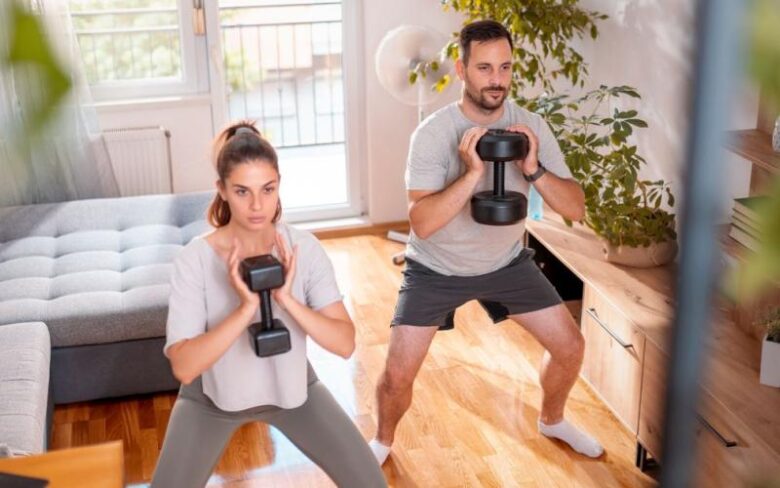
Squats strengthen your legs, glutes, and core. Stand with your feet shoulder-width apart. Push your hips back as if sitting on a chair, keep your chest upright, and lower yourself until your thighs are parallel to the floor. Push back up through your heels. Move slowly and avoid letting your knees collapse inward.
2. Incline Push-Ups or Wall Push-Ups (3 sets of 8–10 reps)
If traditional push-ups feel too difficult, start with incline or wall push-ups. These variations work your chest, shoulders, and triceps while allowing you to build upper-body strength safely. Keep your body straight and lower yourself in a controlled motion.
3. Glute Bridge (3 sets of 12–15 reps)
Lie on your back with your knees bent and feet flat. Push your hips upward, squeeze your glutes at the top, and lower slowly. This exercise strengthens the glutes, lower back, and core muscles. It’s also great for people who sit for long hours.
4. Standing Arm Raises (3 sets of 12 reps)
Raise your arms forward and sideways to shoulder height. This strengthens your shoulders and improves mobility. You can add light weights later, but your arms alone provide enough resistance for beginners.
5. Plank Hold (20–30 seconds)
The plank is one of the most effective full-body exercises for building core stability. Keep your body in a straight line and avoid dipping your hips. Even short-duration planks can dramatically improve your strength over time.
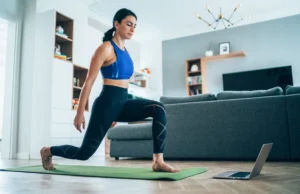
6. Step-Back Lunges (3 sets of 8 reps each leg)
Stepping backward instead of forward reduces pressure on the knees, making this a great beginner variation. Ensure your back knee moves toward the floor and your front knee stays aligned over your ankle.
7. Marching in Place (1–2 minutes)
End with a light cardio finisher. Pump your arms, lift your knees, and keep moving. This improves heart health and helps cool your body gradually.
Perform this routine 3–4 times per week, spacing out sessions to allow your muscles to recover.
Common Mistakes Beginners Should Avoid
Starting a new routine is exciting, but beginners often make small mistakes that slow progress. Here’s what to avoid:
Going too fast too soon:
Trying advanced exercises before mastering the basics can lead to injuries.
Skipping rest days:
Your muscles need time to repair and grow. Overtraining can lead to fatigue and soreness.
Not focusing on form:
Quality always beats quantity. Poor form limits progress and increases injury risk.
Expecting quick results:
Fitness is a gradual journey. Celebrate small wins and stay consistent.
Avoid these mistakes, and you’ll see healthier, long-lasting results.
How to Stay Motivated at Home
Building a habit takes effort, but a few simple strategies can help:
-
Keep your workouts short at first—10–15 minutes is enough.
-
Track your progress through photos, notes, or a journal.
-
Create a workout corner so you feel mentally prepared.
-
Follow a consistent schedule—same time each day builds momentum.
-
Celebrate small achievements, like finishing all sets or increasing reps.
Remember: motivation comes after action, not before. Just start moving, even for a few minutes.
FAQs
1. How many days a week should beginners do full-body workouts?
Most beginners see great results with 3–4 full-body sessions per week, allowing rest days between workouts.
2. Do I need equipment to start a full-body workout at home?
No. Bodyweight exercises are more than enough for building strength and improving fitness. You can add weights later if you want.
3. How long should a beginner home workout last?
A simple session can take 20–30 minutes including warm-up and cool-down. Focus on consistency, not workout length.
4. Will this help with weight loss?
Yes—full-body workouts burn calories and boost metabolism. Combine it with balanced eating and regular activity for best results.
5. What if I struggle to stay consistent?
Start small, set realistic goals, and track your progress. Sometimes a 10-minute workout is enough to keep the habit alive.
Conclusion
Starting a fitness routine at home doesn’t have to be complicated or intimidating. With a simple, structured full-body workout plan, you can build strength, improve stamina, and gain confidence—no gym required. Focus on proper form, stay consistent, and allow yourself time to grow. Even small steps, done daily, lead to powerful long-term results. Your fitness journey starts today, right where you are.