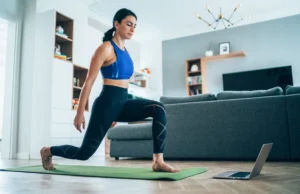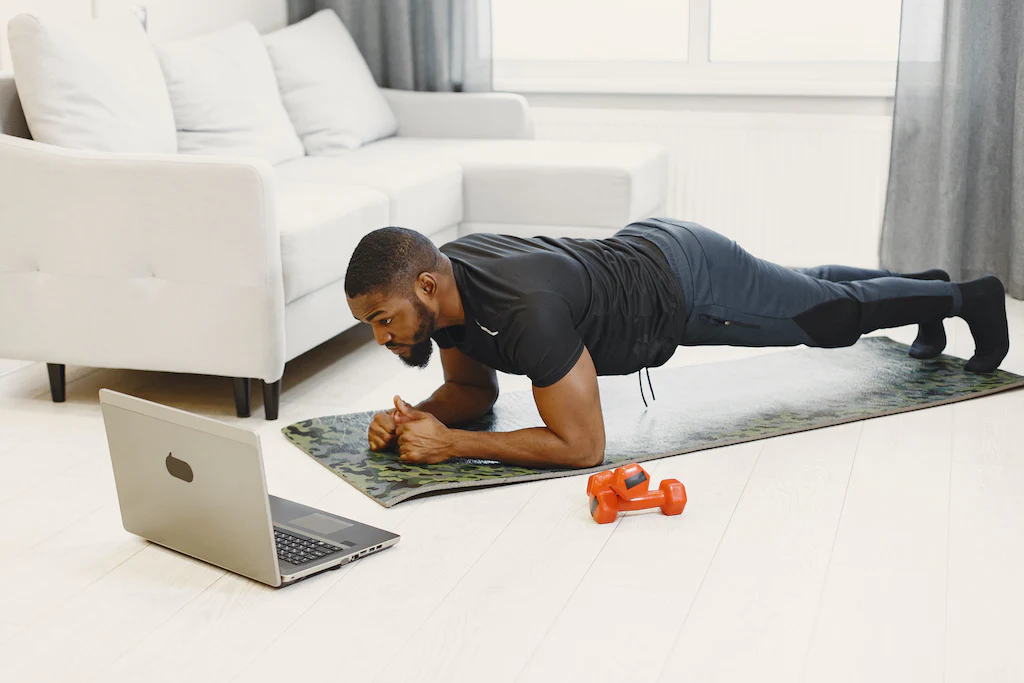
Finding time to work out can feel like a huge challenge when you’re juggling work, family, and social commitments. The classic idea of a one-hour gym session every day seems impossible for many. If that sounds familiar, you’re not alone. The good news is you don’t need to spend hours exercising to see real results. Short, focused workouts can be incredibly effective for improving your health, boosting your energy, and helping you reach your fitness goals.
This guide is designed to show you how to seamlessly integrate quick and powerful exercise routines into your packed life. We’ll explore the science that makes these workouts so effective, provide sample routines you can do in 15 or 30 minutes, and share practical tips to help you stay consistent. By the end of this post, you’ll have the tools to make fitness a sustainable part of your life, no matter how busy you are.
Understanding the Time Crunch
Many of us feel like we’re constantly running on a treadmill of responsibilities. Common reasons for a packed schedule include long work hours, commuting, family care duties, and social obligations. When your to-do list is extensive, it’s common to prioritize other tasks over exercise. When you’re just trying to get through the day, it’s easy to think of fitness as a luxury instead of a need.
Despite this, prioritizing your health is one of the most important investments you can make. Regular physical activity is not just about weight management; it’s crucial for mental clarity, stress reduction, and long-term disease prevention. Neglecting your fitness can lead to burnout, decreased productivity, and a lower quality of life. The solution isn’t to magically find more hours in the day, but to use the time you do have more efficiently. Short workouts provide a realistic way to prioritize your well-being without sacrificing your other commitments.
The Science Behind Short Workouts
You might be skeptical about whether a 15-minute workout can actually make a difference. The answer lies in the intensity and structure of the exercise. Two key principles make short workouts highly effective: high-intensity interval training (HIIT) and compound exercises.
The Power of HIIT
High-Intensity Interval Training (HIIT) involves short bursts of all-out effort followed by brief recovery periods. For example, you might sprint for 30 seconds and then walk for 60 seconds, repeating this cycle for 10–20 minutes. Research indicates that HIIT can provide similar, and sometimes even superior, cardiovascular benefits compared to longer, moderate-intensity workouts.
The magic of HIIT is its effect on your metabolism. The intense effort pushes your body into an anaerobic state, creating an “afterburn effect” known as excess post-exercise oxygen consumption (EPOC). This means your body continues to burn calories at an elevated rate for hours after you’ve finished exercising. So, a quick HIIT session can have a long-lasting impact on your metabolism.
The Efficiency of Compound Exercises
Compound exercises are movements that work multiple muscle groups at the same time. Think of squats, deadlifts, push-ups, and lunges. By engaging several muscles simultaneously, these exercises give you a full-body workout in less time. For instance, a squat works your quadriceps, hamstrings, glutes, and core all at once.
In contrast, isolation exercises, like bicep curls, target only one muscle group. While they have their place, compound movements are far more efficient for a short workout. They build functional strength that helps with everyday activities, improve coordination, and elevate your heart rate for a cardiovascular boost.
Sample 15-Minute Workout Routines
Here are three quick routines you can do with minimal to no equipment. Perform each exercise for the specified time or reps, and move to the next with little rest.
HIIT Cardio Blast
This routine is designed to get your heart pumping and calories burning.
- Jumping Jacks: 60 seconds
- High Knees: 30 seconds
- Rest: 30 seconds
- Burpees: 30 seconds
- Rest: 30 seconds
- Repeat the circuit 3 times.
Strength Training Circuit
Focus on major muscle groups with these compound movements.
- Squats: 60 seconds
- Push-ups (on knees or toes): 45 seconds
- Plank: 60 seconds
- Lunges (alternating legs): 45 seconds
- Repeat the circuit 3 times.
Yoga and Flexibility Flow
Use this routine to de-stress and improve your mobility.
- Cat-Cow Stretch: 60 seconds
- Downward-Facing Dog: 60 seconds
- Warrior II (right side): 30 seconds
- Warrior II (left side): 30 seconds
- Child’s Pose: 60 seconds
- Repeat the flow 2-3 times.
Sample 30-Minute Workout Routines
If you have a bit more time, these 30-minute sessions offer a more comprehensive workout.
Full-Body Strength and Conditioning
Combine strength and cardio for a powerful session. Complete 3 rounds of this circuit.
- Goblet Squats: 12 reps
- Push-ups: 10 reps
- Bent-Over Rows: 12 reps
- Glute Bridges: 15 reps
- Plank: 60 seconds
- Jumping Jacks: 60 seconds
- Rest: 60 seconds between rounds.
Cardio and Core Fusion
This routine will challenge your endurance and build a strong core.
- Warm-up: 5 minutes of light cardio (jogging in place, jumping jacks).
- Circuit 1 (repeat twice):
-
- Mountain Climbers: 45 seconds
- Bicycle Crunches: 45 seconds
- Rest: 30 seconds
- Circuit 2 (repeat twice):
-
- Burpees: 45 seconds
- Leg Raises: 45 seconds
- Rest: 30 seconds
- Cool-down: 5 minutes of stretching.
Mindfulness and Mobility Session
Focus on connecting your mind and body with this gentle yet effective routine.
- Warm-up: 5 minutes of deep breathing and gentle neck/shoulder rolls.
- Sun Salutations: 10 minutes, moving slowly and deliberately.
- Hip Openers: 5 minutes (Pigeon Pose, Butterfly Stretch).
- Spinal Twists: 5 minutes (Supine Spinal Twist on each side).
- Savasana (Corpse Pose): 5 minutes of quiet meditation.
Tips for Staying Consistent
The key to seeing results is consistency. Here are some strategies to help you stick with your routine.
- Schedule Your Workouts: Treat your exercise time like any other important appointment. Block it out in your calendar.
- Plan Ahead: Decide the night before what workout you’re going to do. This removes decision fatigue and makes it easier to get started.
- Minimize Distractions: Put your phone on silent and find a quiet space where you won’t be interrupted.
- Find a Buddy: Working out with a friend can keep you motivated and accountable.
Nutrition to Support Your Workouts
What you eat is just as important as your exercise routine. Proper nutrition will fuel your workouts and help your body recover.
- Pre-Workout Snacks: About 30-60 minutes before your workout, have a small snack that combines carbohydrates and a little protein. A banana with a spoonful of peanut butter or a small handful of almonds works well.
- Post-Workout Fuel: Within an hour after your workout, consume a meal or snack rich in protein and carbohydrates to help repair muscles and replenish energy stores. A protein shake, Greek yogurt with berries, or a chicken salad are great options.
- Stay Hydrated: Drink water throughout the day, not just during your workout. Dehydration can sap your energy and hinder performance.
Overcoming Common Excuses
It’s easy to find reasons not to exercise. Here’s how to tackle some of the most common excuses.
- “I don’t have any equipment.” Many effective workouts, like the ones listed above, require no equipment at all. Your body weight is a powerful tool.
- “I don’t have enough space.” You only need a space the size of a yoga mat to do most bodyweight exercises.
- “I’m too tired.” It might sound counterintuitive, but exercise can actually boost your energy levels. A short, invigorating workout might be exactly what you need to beat fatigue.
The Role of Technology in Short Workouts
Technology can be a fantastic resource for fitting in quick workouts.
- Fitness Apps: Apps like Nike Training Club, Peloton Digital, and Freeletics offer thousands of guided workouts of varying lengths and intensities.
- Online Videos: YouTube is a goldmine of free workout videos. Channels like POPSUGAR Fitness and The Body Coach TV offer routines for all fitness levels.
Your Questions Answered
Here are answers to some frequently asked questions about short workouts.
How often should I do short workouts?
Aim for consistency. Five 15-minute workouts spread throughout the week can be more beneficial than one long session. Listen to your body and try to be active most days.
Can short workouts really make a difference?
Absolutely. High-intensity workouts, even when brief, can improve cardiovascular health, build strength, and boost your metabolism. The key is to work hard during the time you have.
What equipment do I need?
You can get a great workout using just your body weight. If you want to add variety, consider investing in a few versatile items like resistance bands, a kettlebell, or a yoga mat.
How do I stay motivated?
Set realistic goals, track your progress, and celebrate your achievements. Find an activity you genuinely enjoy, as you’re more likely to stick with it. Don’t be afraid to mix up your routines to keep things interesting.
How can I prevent injuries?
Always warm up before your workout and cool down afterward. Focus on proper form, and don’t push yourself too hard, especially when you’re just starting. If something hurts, stop and rest.
Make Fitness a Part of Your Life
Fitting fitness into a busy schedule doesn’t have to be a source of stress. By embracing short, effective workouts, you can achieve your health goals without overhauling your entire life. Remember that every little bit of movement counts. Start small, stay consistent, and find joy in the process. You have the power to prioritize your well-being, one short workout at a time.