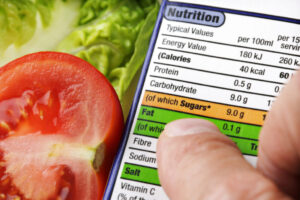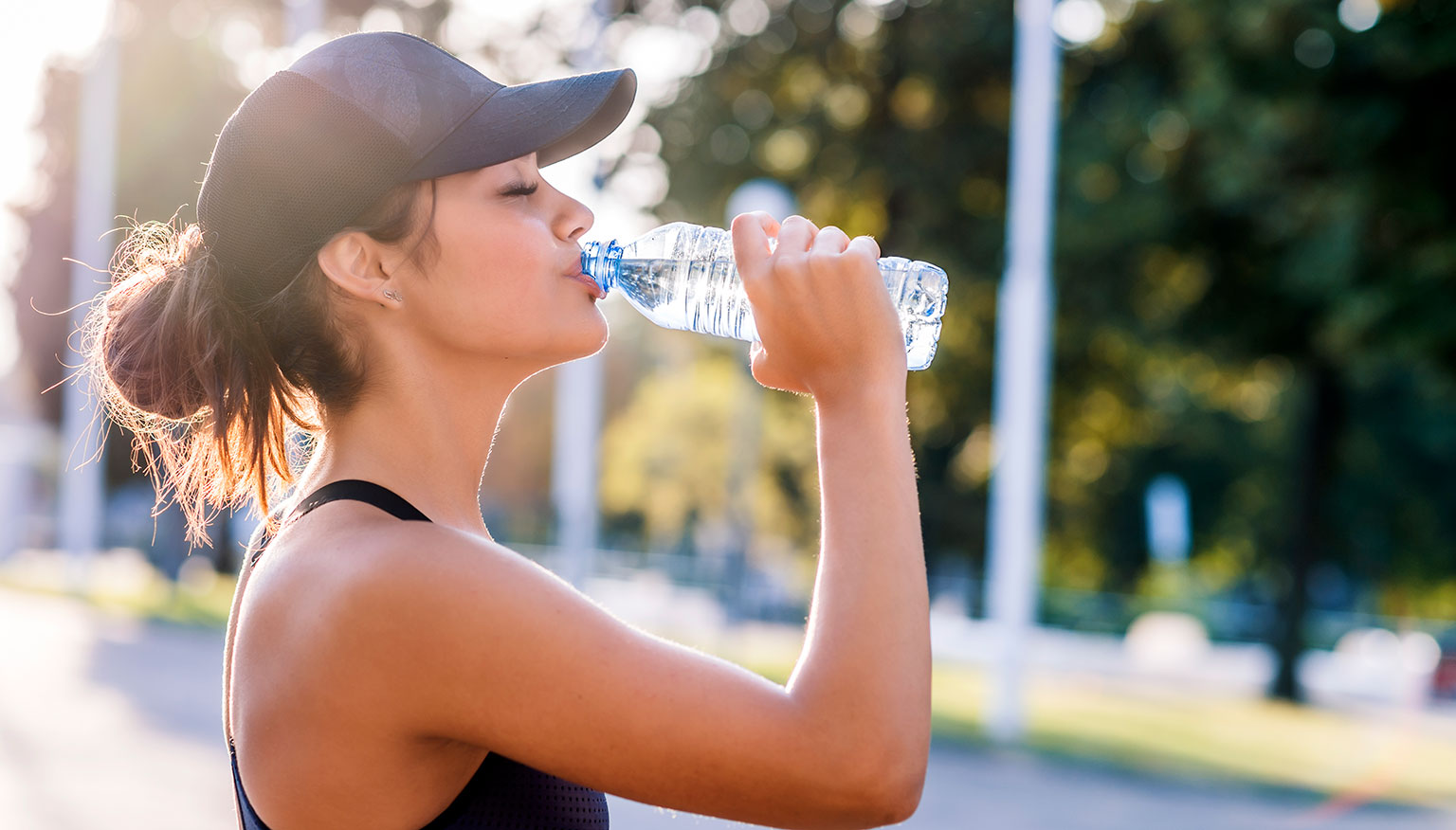
When people talk about nutrition, they often focus on food: what you should and shouldn’t eat, and how much protein or carbohydrates you should consume. But one crucial aspect is often overlooked: staying hydrated. Water doesn’t contain calories, vitamins, or minerals, but it’s crucial to your health and diet. In fact, drinking enough water every day can change how your body absorbs nutrients, how your cells function, and even how you feel every day. Understanding the connection between staying hydrated and healthy eating can help you make smarter decisions that are better for your health and energy.
The Nutrient You Don’t Notice
Water is an often-overlooked essential nutrient. Every cell in your body needs it. The human body is primarily made up of water, making up approximately 60% of its total composition. Water is essential for almost every bodily process, from maintaining a healthy body temperature to supporting digestion and transporting nutrients to your cells. Even the best diet fails without enough water. Without water, your body can’t process food properly.
Drinking enough water helps your organs function optimally. Your mind works clearly, your body stays active, and your circulation stays strong. On the other hand, even mild dehydration can cause fatigue, headaches, difficulty concentrating, and slow stomach movements, all of which can affect your eating habits and energy levels.
Getting Enough Water and Nutrients
One of the most important, yet least well-known, aspects of staying hydrated is the role water plays in nutrient absorption. Vitamins, minerals, and other nutrients move through the body with the help of water and reach the cells where they are needed.
Water-soluble vitamins, such as vitamin C and B vitamins, require a large amount of water for proper absorption. Even if you eat a healthy diet, your body can struggle to absorb these nutrients if you don’t drink enough water. Staying hydrated also helps the function of your stomach enzymes. These enzymes break down food so your body can use it.
In short, water is essential for the transport of nutrients through your body; without water, food can’t function properly.
Staying Hydrated and Digesting
Hydration is essential for nutrient absorption. Enzymes in your saliva help break down food immediately after eating. While eating, water helps break down the nutrients in food, making it easier for your intestines to digest.
Staying hydrated also keeps your intestines moist, softening your stool and preventing constipation. If you don’t drink enough water, your body excretes water in your stool, making bowel movements more difficult. Chronic dehydration can slow digestion and, over time, compromise gut health, even leading to pain and bloating.
Drinking water throughout the day improves your digestive function. This makes it easier for your body to absorb nutrients from your food.
The Relationship Between Hydration and Metabolism
Many people say that drinking water can “speed up your metabolism.” And that’s true. Research shows that drinking water can increase thermogenesis, the process by which your body converts food into energy. Combined with a healthy diet and regular exercise, this slight metabolic boost can help you maintain your weight.
Moreover, staying hydrated helps your body transport air and nutrients to your muscles, making you stronger and performing better. Even a small loss of fluid can make you feel weak, sluggish, and lacking energy. That’s why athletes and fitness enthusiasts consider drinking enough water just as important as consuming protein or carbohydrates.
How Staying Hydrated Can Change Your Hunger and Appetite
What you perceive as hunger is sometimes just thirst. Because your body’s hunger and thirst signals are so similar, dehydration can easily be mistaken for hunger, leading you to eat more than you need.
Drinking a glass of water before a meal can help control your hunger and prevent overeating. Staying hydrated also helps keep your blood sugar levels stable, reducing the likelihood of cravings for processed or sugary foods.
If you often crave snacks, start drinking water. You’ll find that your body actually needs water, not food.
How Electrolytes Help Your Body Stay Hydrated
Staying hydrated requires more than just drinking water. You also need to maintain your fluid balance. Electrolytes, such as sodium, potassium, magnesium, and calcium, help your body
Drinking sugary sports drinks
Maintaining normal electrolyte levels ensures that water reaches all parts of your body. This helps you stay hydrated and maintain a balanced diet.
Signs of thirst
Dehydration isn’t always easy to recognize. Many people only experience mild thirst and are unaware of it. Here are some common symptoms:
- Feeling unwell or tired
- Dry lips or mouth
- Dark yellow urine
- Headaches or difficulty concentrating
- Muscle cramps
Gas and bloating
If you experience any of these symptoms, you should drink more water. Remember: by the time you feel thirsty, you are already slightly dehydrated. So, it’s best to drink water throughout the day rather than waiting until you feel thirsty.
How much water do you need?
The amount of water you should drink depends on your age, activity level, weather, and diet. For most people, 8 to 10 glasses (2 to 2.5 liters) of water per day is sufficient. However, if you exercise regularly, live in a warm climate, or eat a lot of protein or fiber-rich foods, you may need more.
Foods like fruits and vegetables also help you stay hydrated. Cucumbers, oranges, melons, and tomatoes are all good choices. Herbal teas and flavored waters can also help you stay hydrated and enhance the flavor of your drink.
Frequently Asked Questions
1. Is drinking too much water harmful?
Yes, if your mineral intake isn’t adequate, drinking too much water can lead to hyponatremia, a condition in which the sodium level in your blood is too low. Although this condition is rare, it can occur in endurance athletes. The key is balance.
2. Should you drink coffee or tea with water every day?
Yes, but don’t drink too much. Although caffeine can cause a slight urge to urinate, moderate coffee or tea consumption can still help you stay hydrated. Herbal tea can also help you stay hydrated.
3. How do I know if I’m drinking enough water?
An easy way to tell is by looking at the color of my urine. If it’s light yellow, you’re well hydrated; if it’s dark yellow or amber, you need to drink more water.
4. Do I need sports drinks to stay hydrated?
Not always. Athletes can benefit from sports drinks during long, intense workouts, but water and a healthy diet are generally sufficient to stay hydrated daily.
5. When should I drink water?
Start your day with a glass of water and continue drinking it throughout the day. To stay hydrated, drink a glass of water before meals, during exercise, and before bed.
Summary
Staying hydrated not only quenches your thirst but is also good for your health and nutrition. Water influences metabolism, digestion, food intake, and even hunger control. No matter how healthy your diet, if you don’t drink enough water, your body can’t optimally utilize the nutrients you ingest. Drinking water daily and maintaining a good fluid balance will give you more energy, support your stomach, and support all your bodily functions. Not only what you eat, but also what you drink is important for your health.