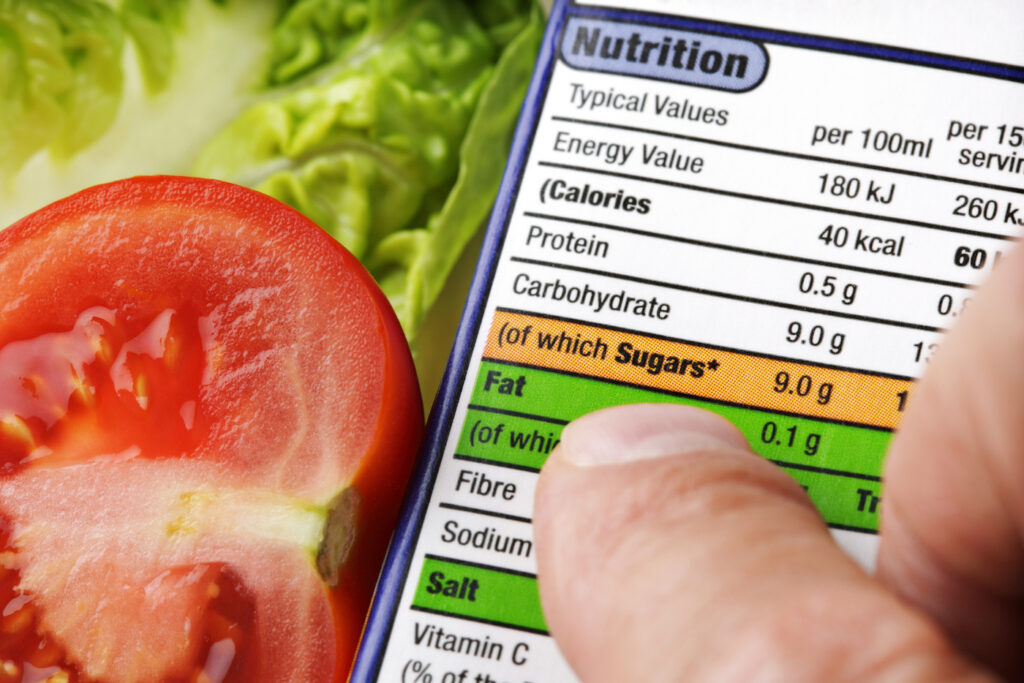
Being healthy isn’t just about choosing foods that look healthy; it also means understanding what’s in them. Food labels are one of the best ways to understand what we eat, but many people overlook them or even misunderstand their meaning. Learning how to read and understand nutrition labels can revolutionize your eating habits. It will help you make better, healthier choices and achieve your goals. This easy-to-understand guide will teach you how to read nutrition labels like a pro.
How to Read a Nutrition Facts Chart
The nutrition facts chart contains important information about a food’s ingredients. First, look at the serving size. This portion size is the foundation of the label. Each number on the nutrition facts chart refers to one serving, not the entire package. Many people unknowingly eat more than one serving, which can lead to excessive calorie, sugar, or salt intake.
Next, look at the calorie content per serving. Calories are used to calculate how much energy a food provides. If you want to manage your weight, you need to know your daily calorie needs. The distribution of nutrients holds greater significance than calories alone.
Macronutrient Analysis
The most important components of any diet are macronutrients: carbohydrates, proteins, and fats. Proteins help with cell growth and repair, carbohydrates provide energy, and fats support brain and hormonal health.
When reading labels, pay attention to the “total carbohydrates” section. Pay attention to the sugar and fiber content. Fiber is good for your body because it aids in food digestion, keeps your heart healthy, and keeps you feeling fuller longer. Eating more fiber is better. But be careful with added sweets. Many ready-made meals, even “healthy” ones, are high in sugar, which can cause you to lose energy and gain weight.
Next, look at protein. This macronutrient helps maintain healthy muscle, speeds up your metabolism, and makes you feel fuller longer. Protein-rich foods are generally better for your body and can help you feel fuller longer, especially when you’re on the go.
Finally, look at the total fat, saturated fat, and trans fat content. While consuming healthy fats like eggs, nuts, and olive oil can be beneficial, you should avoid too much fat and trans fat. These fats can raise your bad cholesterol, which can increase your risk of cardiovascular disease.
What Micronutrients Do for You
At the very bottom of the nutrition label are micronutrients, such as vitamins and minerals. Nutrients like vitamin D, calcium, iron, and potassium are essential for strong bones, a healthy immune system, and proper body function.
Seek foods rich in these nutrients. For example, if a food contains 20% or more of the Recommended Daily Allowance (RDA) for calcium, it is considered a good source. On the other hand, if you find it low in essential nutrients, you may need to look for foods with a higher nutritional content.
Understand the Ingredient List
The ingredient list provides the best overview of a food’s composition. Ingredients are listed from highest to lowest by weight, meaning the first few ingredients make up the majority of the product. If fatty oils, sugar, or white flour appear at the top, the food may not be as healthy as it appears.
Nutritionists recommend choosing foods with short, easily recognizable ingredient lists. Whenever possible, avoid foods that contain chemical dyes, stabilizers, or flavor enhancers. It’s always better to choose natural, unprocessed products.
Remember: If you can’t name a food or aren’t sure what it is, you may need to avoid it.
How to Interpret the % Daily Value (RDA)
The % Daily Value (RDA) refers to the amount of a nutrient a vitamin provides relative to your daily needs. A vitamin with a 5% daily value or less is generally considered low. A vitamin with a 20% daily value or more is generally considered high.
For example, if a food contains 25% of your Daily Value (DV) for saturated fat, it’s already above your daily limit. You may need to reduce the amount of fat you consume throughout the day. On the other hand, foods with 30% of the DV for fiber or calcium are excellent choices to supplement your diet.
The % DV (% RDA) can help you ensure a balanced diet and prevent you from consuming too much of a nutrient that could be harmful to your body.
Beware of misleading information
Check labels on identical products. For example, if you’re choosing between two types of yogurt, pay attention to the calories, sugar, and protein content of each. Choose the one with more protein and less sugar.
This also applies to breakfast products and boxed snacks. Even within the same category, nutritional information can vary significantly under different names. Understanding what you’re buying will help you make more consistent and informed choices over time.
Frequently Asked Questions
1. What should you look for when checking a product’s name?
All other numbers on the packaging are based on serving size, so start with the serving size. Once you know the serving size, pay close attention to the calories, added sugars, and healthy fats.
2. Are calories the same regardless of the source?
Not really. The source of energy, not the number of calories consumed, is what matters. A 200-calorie meal with lean protein and vegetables is healthier than a 200-calorie sugary snack.
3. How do I find sweet foods that aren’t clearly labeled?
You can look for ingredients like fructose, maltose, sucrose, or corn syrup. If the first few items list more than one type of sugar, it likely contains a lot of added sugar.
4. Should I avoid all fats listed on food labels?
Absolutely not. Fats are essential for health. Limit your intake of saturated and trans fats and eat more healthy fats, such as avocado or olive oil.
5. Why are the Daily Values based on a 2,000-calorie diet?
The FDA uses the 2,000-calorie recommendation as a standard reference point. Your age, gender, activity level, and health goals can influence how much you actually need.
Summary
Reading food labels doesn’t have to be difficult or confusing. As long as you understand the meaning of each item, from plate size to the ingredient list, you can make better choices for your body. If you focus on choosing nutrient-rich, unprocessed foods and watch out for excess sugar, bad fats, and misleading claims, starting a healthy diet is easy. Understanding what you’re eating is the first step to sensible eating, and reading every label will bring you closer to a healthier diet in the long run.