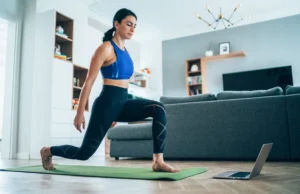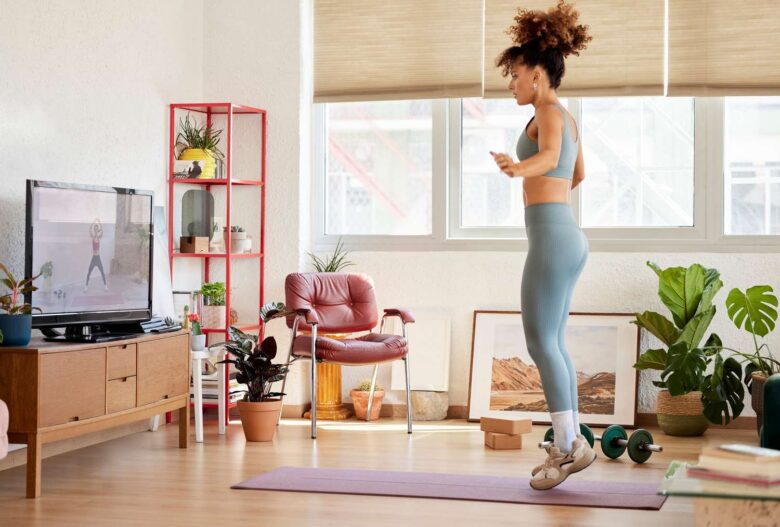
Staying active in a small apartment or limited indoor space can feel challenging, especially if you want to avoid disturbing neighbors or roommates. Traditional cardio workouts like jumping jacks, running in place, or high-impact aerobics can create a lot of noise, making them impractical in small living spaces. The good news is that you can still get an effective cardio workout without equipment and without disturbing anyone.
Indoor cardio workouts designed for small spaces focus on low-impact, controlled movements that elevate your heart rate, burn calories, and improve cardiovascular health—all while being gentle on the floor and neighbors’ ears. This guide will show you how to structure a quiet, high-energy indoor cardio routine that fits even the tiniest of apartments.
Why Low-Impact Indoor Cardio Works
Cardio workouts are essential for heart health, calorie burning, and energy improvement. Low-impact cardio focuses on controlled movements, reducing stress on joints and minimizing noise. Despite being gentle, these workouts still:
-
Increase heart rate and improve stamina
-
Burn calories efficiently
-
Strengthen muscles, especially in the legs, core, and glutes
-
Improve balance, coordination, and flexibility
-
Reduce the risk of joint pain or injury
Low-impact doesn’t mean low-intensity. By maintaining a steady pace and incorporating short bursts, you can achieve a heart-pumping session that rivals high-impact workouts without slamming your floors or neighbors’ patience.
Warm-Up: 3 Minutes to Prepare Your Body
Even quiet workouts benefit from a warm-up. It increases blood flow and primes your muscles.
Try these movements:
-
March in place: 1 minute, gently lifting knees
-
Arm swings: 30 seconds forward and backward
-
Torso twists: 30 seconds
-
Heel digs or low marches: 1 minute
A short warm-up reduces the risk of soreness and prepares your body for the cardio session.
Indoor Cardio Exercises for Small Spaces
Here’s a 10-minute quiet cardio routine suitable for apartments. Repeat 2–3 cycles for a longer session.
1. Low-Impact Marching
How to do it:
Lift your knees to waist level, swing your arms naturally, and maintain a steady rhythm. Avoid stomping.
Benefits:
Elevates heart rate, strengthens legs and core, and produces zero noise.
2. Step Touch
How to do it:
Step one foot to the side, then bring the other foot to meet it. Add gentle arm movements, like raising your arms or punching forward.
Benefits:
Works legs and glutes, improves coordination, and is silent enough for small spaces.
3. Seated or Standing Knee Lifts
How to do it:
If standing, lift one knee at a time toward your chest. If space is limited, sit on the edge of a sturdy chair and lift knees one by one.
Benefits:
Strengthens abs, improves hip mobility, and is gentle on floors.
4. Side Leg Raises
How to do it:
Stand with feet hip-width apart. Slowly lift one leg to the side, then return. Alternate legs.
Benefits:
Tones hips and outer thighs while maintaining a quiet movement pattern.
5. Modified Shadow Boxing
How to do it:
Stand with feet slightly apart, elbows bent. Gently throw straight punches forward and to the sides, keeping knees soft.
Benefits:
Engages upper body, raises heart rate, and is perfect for small spaces because it requires minimal foot movement.
6. Wall Push-Up Cardio Flow
How to do it:
Stand a few feet from a wall. Perform a slow push-up against the wall, then step side to side for 20–30 seconds.
Benefits:
Combines upper-body strength with light cardio, silent on floors, and accessible for beginners.
7. Low-Impact Knee Hugs
How to do it:
Stand tall and gently pull one knee toward your chest at a time. Alternate knees continuously.
Benefits:
Engages your core and legs while keeping the intensity moderate and the noise low.
8. Standing Heel Raises
How to do it:
Rise onto your toes, hold briefly, then lower slowly. Add arm movements for extra cardio.
Benefits:
Strengthens calves, glutes, and improves circulation, all without impact noise.
Cool-Down: 2–3 Minutes
Finish your session with gentle stretches to prevent stiffness:
-
Calf stretch against the wall
-
Shoulder rolls
-
Side body stretch
-
Gentle forward fold for hamstrings
End with deep, controlled breaths to lower heart rate.
Tips for Maximum Effectiveness in Small Spaces
-
Keep movements controlled: Fast motions increase noise; slow, deliberate actions are effective and quiet.
-
Focus on posture and core: Proper alignment improves results and prevents injury.
-
Combine with daily activity: Take stairs, walk around your home, or do chores as extra cardio.
-
Track time: Short bursts (10–15 minutes) multiple times a day can be as effective as one long session.
-
Stay consistent: Even short, daily sessions add up over weeks, boosting energy and cardiovascular health.
FAQs
1. Can I really get a cardio workout without jumping?
Yes. Low-impact cardio focuses on continuous movement that raises your heart rate without jumping, stomping, or running. Marching, step touches, and controlled punches are very effective.
2. How long should a quiet indoor cardio session last?
A 10–15 minute session is a great start. You can repeat cycles for 20–30 minutes if time allows.
3. Will low-impact cardio help me lose weight?
Yes. While intensity is moderate, consistent low-impact cardio burns calories, improves metabolism, and can be combined with diet for weight loss.
4. Can I do these exercises if I have joint pain?
Absolutely. Low-impact movements are gentle on knees, hips, and ankles, making them ideal for people with joint concerns.
5. How many days per week should I do indoor cardio?
Aim for 4–6 days per week. Consistency matters more than intensity for long-term results.
Conclusion
Even in the smallest spaces, you can maintain a high-quality cardio routine without equipment or noise. By focusing on low-impact, controlled movements, you protect your joints, avoid disturbing neighbors, and still achieve heart-pumping results. Consistency, proper form, and mindful breathing are the keys to long-term fitness success. Start with short sessions, stay patient, and over time, you’ll notice improved stamina, better mood, and a healthier, more energized body—all within the comfort of your home.