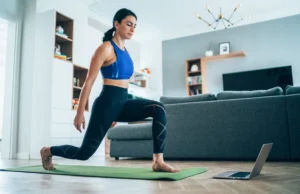
How you start your morning sets the tone for your entire day. A short, energizing exercise routine can lift your mood, sharpen your focus, and give your body the gentle wake-up it needs. But here’s the best part—you don’t need a long workout or a gym membership. Just 10 minutes of simple morning movements can boost your energy more naturally than coffee and help you feel grounded, refreshed, and ready to tackle the day.
Whether you’re busy, tired, or simply trying to build a healthier lifestyle, this guide walks you through quick, beginner-friendly exercises that can transform your mornings—without overwhelming your schedule or your body.
Why Morning Exercise Works So Well
Morning exercise isn’t just about fitness; it’s about improving overall well-being. Moving your body shortly after waking helps:
-
Increase blood flow and oxygen levels
-
Improve mood by releasing endorphins
-
Reduce stress and anxiety
-
Kickstart your metabolism
-
Sharpen concentration and mental clarity
-
Set a positive tone for your day
Even a short 10-minute routine can leave you feeling more energetic and emotionally balanced. It’s one of the simplest ways to upgrade your mornings.
Warm Up: 1 Minute to Wake Up Your Body
Before jumping into the exercises, spend one minute warming up. This helps loosen stiff muscles and prepares your joints.
Try:
-
Neck circles: 10 seconds
-
Shoulder rolls: 10 seconds
-
Arm swings: 10 seconds
-
Hip circles: 10 seconds
-
Marching in place: 20 seconds
This brief warm-up increases circulation and reduces the risk of soreness.
1. Bodyweight Squats (1 Minute)
Squats activate the major muscle groups—legs, glutes, and core—helping energize your entire body.
How to do it:
Stand with feet shoulder-width apart. Lower your hips as if sitting on a chair, keep your chest up, and push through your heels as you rise.
Why it helps:
Improves circulation, warms your lower body, and boosts energy instantly.
2. Cat-Cow Stretch (1 Minute)
This gentle flow releases tension in your spine, neck, and shoulders—especially helpful if you sleep in a curled or stiff position.
How to do it:
Get on hands and knees. Inhale as you arch your back (cow pose), then exhale as you round it (cat pose).
Why it helps:
Improves mobility, reduces morning stiffness, and relaxes the nervous system.
3. Standing Side Stretch (1 Minute)
This stretch opens up your rib cage and improves breathing.
How to do it:
Raise your right arm overhead and bend to the left. Switch sides after 30 seconds.
Why it helps:
Helps expand lung capacity and improves posture.
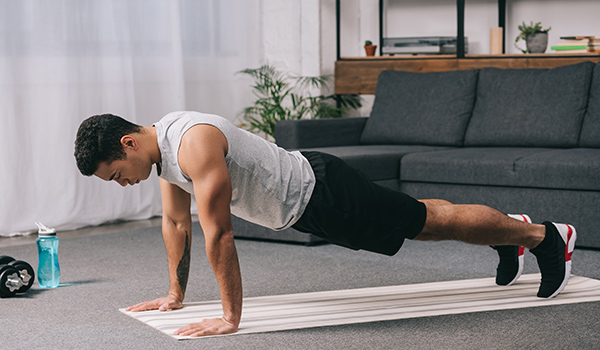
4. Plank Hold (30–40 Seconds)
A plank activates your core, shoulders, and glutes, giving your body a strong, stable start.
How to do it:
Hold a straight line from head to heels. Don’t let your hips sink.
Why it helps:
Strengthens your core, boosts focus, and increases body awareness.
5. High Knees or Marching in Place (1 Minute)
This light cardio move increases your heart rate and wakes your body fully.
How to do it:
Lift your knees high, pump your arms, and maintain a steady pace.
Why it helps:
Enhances blood flow, boosts energy, and improves coordination.
6. Glute Bridges (1 Minute)
Perfect for people who sit for long hours. This exercise activates the glutes and supports better posture.
How to do it:
Lie on your back, bend your knees, and lift your hips while squeezing your glutes.
Why it helps:
Reduces lower-back stiffness and increases core strength.
7. Standing Arm Circles (1 Minute)
This targets your shoulder mobility and warms up your upper body.
How to do it:
Extend arms sideways and make small, controlled circles, then reverse halfway through.
Why it helps:
Improves posture, relieves tightness, and increases upper-body blood flow.
8. Forward Fold Stretch (1 Minute)
A calming stretch that relieves tension in your hamstrings and lower back.
How to do it:
Stand tall, then fold forward from your hips and let your arms hang.
Why it helps:
Reduces stress, improves flexibility, and supports relaxation.
9. Torso Twists (1 Minute)
A gentle twist helps wake your spine and boosts circulation.
How to do it:
Stand with feet hip-width apart and gently twist your torso side to side.
Why it helps:
Improves digestion, posture, and mobility.
10. Deep Breathing Cool-Down (1 Minute)
Finish your routine with calm breathing to balance your mind.
How to do it:
Sit or stand tall, inhale for 4 seconds, hold for 2, exhale for 6.
Why it helps:
Reduces stress hormones and sets a peaceful tone for the day.
Tips to Make Your Morning Exercise Habit Stick
Starting a habit is one thing—keeping it is another. Here are simple ways to stay consistent:
Prepare the night before
Lay out your workout clothes or mat.
Keep it short and realistic
Ten minutes is enough. The key is daily movement.
Track your progress
Use a journal or calendar to stay motivated.
Attach it to an existing habit
Do your workout right after brushing your teeth or drinking water.
Avoid perfection
If you miss a day, restart the next—no guilt.
Benefits You’ll Notice Within a Few Weeks
If you stay consistent, you may begin experiencing:
-
Better focus and mental clarity
-
Improved flexibility and posture
-
Higher energy levels
-
More stable mood
-
Less morning stiffness
-
Better confidence and motivation
Small daily habits create long-term change.
FAQs
1. Is 10 minutes of exercise in the morning enough?
Yes. Even short routines improve circulation, mood, and energy levels—especially when done consistently.
2. What time should I do morning exercises?
Ideally within the first hour of waking, but any time that fits your schedule works.
3. Do I need equipment for this routine?
No. All movements are bodyweight and perfect for beginners.
4. Can morning exercise help with weight loss?
When combined with a balanced diet and daily movement, yes—morning workouts support metabolism and calorie burn.
5. What if I feel too tired in the morning?
Start slowly. Even 3 minutes of movement can wake you up and motivate you to continue.
Conclusion
A 10-minute morning routine may seem small, but its impact on your energy, mood, and focus can be life-changing. With consistent practice, these simple exercises become a natural part of your morning—helping you feel more positive, productive, and ready to take on the day. You don’t need long workouts to make progress; you just need small, steady steps that start your morning with intention and movement.